
 Askme Training
Online Manual Testing Course India: Skills, Benefits, Career & Beginner’s Guide
- By Admin
- Posted on 17/09/2026
Imagine using a shopping app and suddenly the “Place Order” button stops working. You try again, the payment goes through, but the order is not confirmed. For a customer, it is frustrating. For a software tester, it is a defect waiting to be discovered.
This is where manual testing becomes important.
An Online Manual Testing Course India program can help students, freshers, and working professionals understand how software is tested before it reaches real users. You learn how to identify bugs, write test cases, report defects, and check whether an application behaves as expected.
If you are considering a manual testing course, this guide explains what you should learn, why it matters, career opportunities, common mistakes, and how to start your testing journey.
What Is Manual Testing?
Manual testing is the process of checking software manually, without using automation scripts to execute the tests.
A tester interacts with an application like a real user and verifies whether its features work according to requirements.
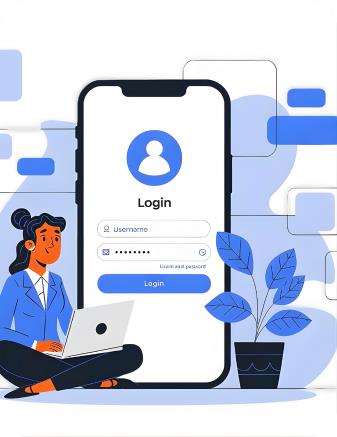
For example, while testing a login page, you might check:
• Valid username and password
• Incorrect password
• Empty fields
• Password visibility
• Forgot-password functionality
• Account lockout
• Error messages
• Different browsers and devices
The goal is simple: find problems before users do.
Modern testing also covers Agile, DevOps, risk-based testing, test design, defect management, and collaboration with development teams. These areas are included in the current ISTQB Certified Tester Foundation Level syllabus.
Why Learn Manual Testing in 2026?
Many beginners assume that automation has made manual testing irrelevant. That is not how real software testing works.
Automation can execute repetitive checks quickly, but testers still need human thinking to understand requirements, explore unexpected scenarios, evaluate usability, and decide what should be tested.
A strong manual tester develops skills such as:
• Logical and analytical thinking
• Attention to detail
• Test-case writing
• Defect reporting
• Requirement analysis
• Communication
• Problem-solving
• Understanding of SDLC and STLC
ISTQB also identifies testing knowledge, curiosity, thoroughness, carefulness, and attention to detail as important tester skills.
What Will You Learn in an Online Manual Testing Course India Program?
A structured course should take you from basic concepts to practical testing activities.
Step 1: Understand Software Testing Fundamentals
Start with concepts such as:
• What is software testing?
• Why is testing necessary?
• Verification and validation
• Test levels and test types
• SDLC and STLC
• Testing principles
Step 2: Learn Test Case Design
You learn how to convert requirements into practical test scenarios and test cases.
For example, for an ATM withdrawal feature, you could test insufficient balance, invalid PIN, maximum withdrawal limits, cancelled transactions, and successful withdrawals.
Step 3: Learn Defect Reporting
Finding a bug is only half the job. You must communicate it clearly.
A useful defect report generally includes:
1. Defect title
2. Environment
3. Steps to reproduce
4. Expected result
5. Actual result
6. Severity and priority
7. Supporting screenshots or evidence
Clear defect reporting is an important outcome of the ISTQB Foundation Level syllabus.
Step 4: Practice With Realistic Projects
Theory becomes valuable when you apply it.
Practice testing websites, e-commerce applications, banking workflows, registration forms, dashboards, and mobile applications. Create test scenarios, execute them, document defects, and prepare test reports.
Step 5: Prepare for Interviews
A good learning plan should also include interview preparation covering manual testing concepts, real-world scenarios, defect life cycle, test cases, Agile testing, SQL basics, and practical problem-solving.
Benefits of Learning Manual Testing
A well-structured online manual testing course India program can offer several benefits:
• Beginner-friendly entry into software testing
• Practical understanding of QA processes
• Strong foundation for automation testing
• Better understanding of software quality
• Exposure to real-world testing scenarios
• Preparation for QA and testing interviews
• Flexible online learning for students and professionals
Manual testing can also become a foundation for learning tools and automation technologies later.
Career Opportunities After Manual Testing Training
After developing practical testing skills, learners can explore roles such as:
• Manual Tester
• Software Tester
• QA Tester
• Quality Analyst
• Test Engineer
• Junior QA Engineer
• Software Quality Assurance Executive
With experience, testers can move toward automation testing, test analysis, specialized testing, or test management.
The ISTQB certification framework currently includes Foundation, Advanced, Specialist, Agile, and Expert-level pathways, showing how testing skills can develop beyond entry-level fundamentals.
Common Mistakes Beginners Should Avoid
Learning manual testing becomes difficult when beginners focus only on definitions.
Avoid these mistakes:
• Memorizing concepts without practical testing
• Writing vague test cases
• Reporting defects without clear reproduction steps
• Ignoring edge cases
• Learning tools without understanding testing fundamentals
• Preparing only theoretical interview answers
• Assuming manual testing means simply clicking buttons
A good tester thinks like both a user and an investigator.
Expert Tips for Learning Manual Testing
If you are starting from zero, follow this simple approach:
Learn → Practice → Document → Discuss → Improve
Spend time testing everyday applications. Ask yourself: What could go wrong here? What would a frustrated user try? What happens if the input is unusual?
This mindset gradually develops the curiosity and attention to detail required in testing.
FAQs About Online Manual Testing Course India
1. Can beginners learn manual testing?
Yes. Manual testing is suitable for beginners because you can start with testing fundamentals before moving into advanced tools and automation.
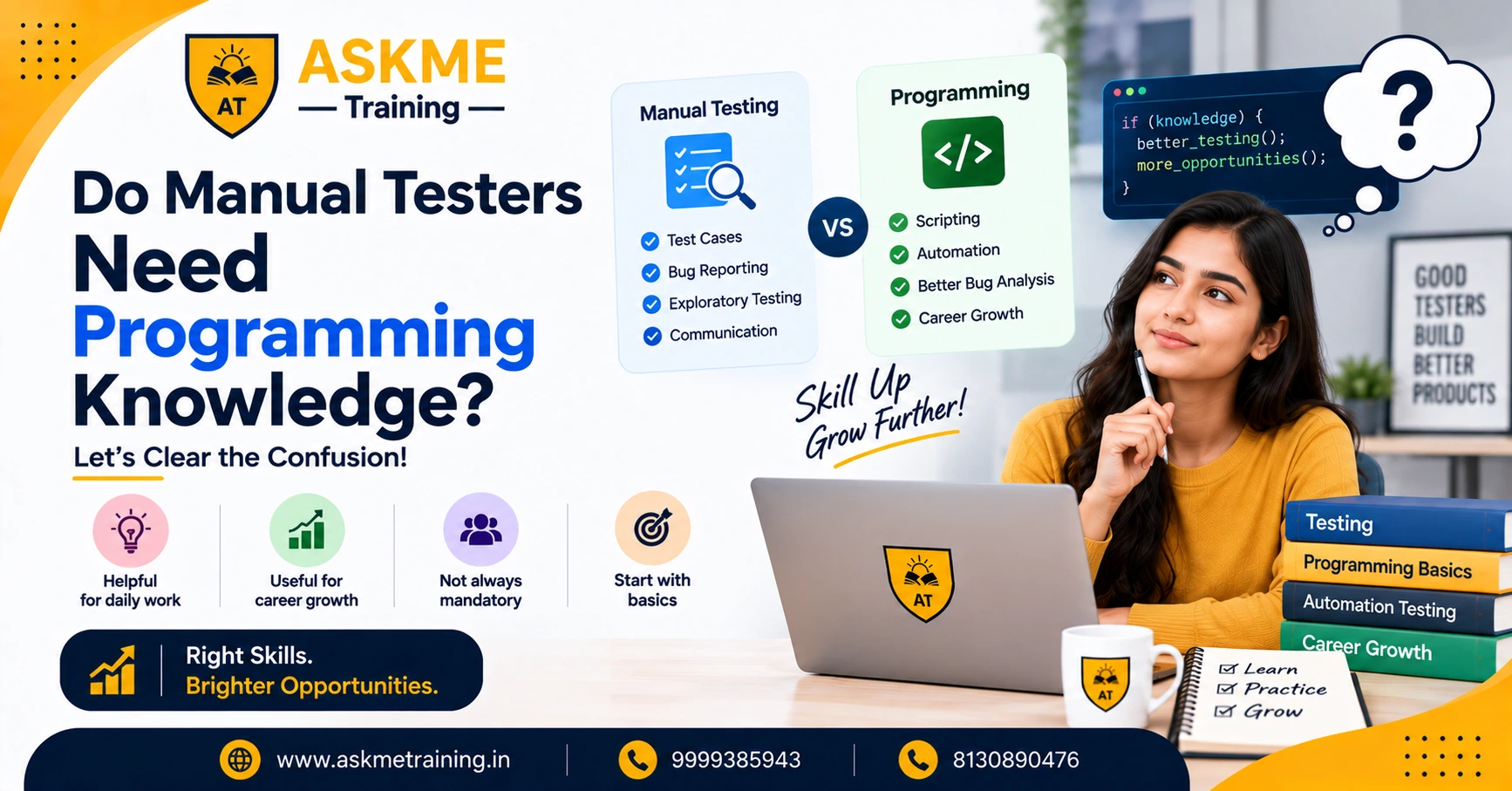
2. Do I need coding knowledge for manual testing?
Basic manual testing does not require advanced programming knowledge. However, learning basic SQL and programming concepts can be useful for long-term growth.
3. Is manual testing still relevant in 2026?
Yes. Manual testing remains important for exploratory testing, usability-related checks, requirement validation, and scenarios requiring human judgment. Automation and manual testing often work together.
4. Can non-IT students learn manual testing?
Yes. Learners from different educational backgrounds can begin with software testing fundamentals, provided they are willing to develop logical thinking and technical skills.
5. Is certification useful for a software tester?
Certification can help demonstrate structured knowledge. ISTQB's CTFL 4.0 is designed to establish fundamental software testing knowledge and is part of its broader Certified Tester scheme.
6. What should I learn after manual testing?
You can consider SQL, API testing, automation testing, Selenium, Playwright, performance testing, or other specialized testing areas depending on your career goals.
Start Your Software Testing Journey With Askme Training
Learning testing from random videos can leave you with scattered knowledge. A structured manual testing course can help you build concepts step by step and apply them through practical exercises.
At Askme Training Institute, learners can explore software testing training designed around practical learning, industry-oriented skills, interview preparation, and career development.
If you are a student, fresher, working professional, or career switcher and want to understand whether software testing is right for you, connect with Askme Training today.
Visit https://www.askmetraining.in/ to explore the course, discuss your learning goals, or enquire about the next training batch.
Your software testing career can start with learning how to find one bug. Start learning today.
