
 Askme Training
How Can Freshers Start a Career in Manual Software Testing in India?
- By Admin
- Posted on 19/10/2026
Starting your first job in IT can feel challenging, especially if you are unsure whether you need advanced coding skills. The good news is that manual software testing can be a practical starting point for students, freshers, and career switchers who enjoy problem-solving and finding mistakes.
An Online Manual Testing Course in India can help beginners understand software testing fundamentals, practise test cases, learn bug reporting, and prepare for entry-level QA roles. However, completing a course alone does not guarantee a job. Practical skills, communication, and interview preparation are equally important.
Let's explore how you can begin your manual testing career step by step.
What Is Manual Software Testing?
Manual software testing is the process of checking an application to verify whether it works as expected, without using automated test scripts to execute the checks.
For example, when testing an online shopping website, you might check whether users can log in, search for products, add items to their cart, and complete checkout successfully.
Manual testing helps identify defects, improve usability, and ensure that software meets its requirements.
Why Should Freshers Consider Manual Testing?
Manual testing can be a useful entry point into software quality assurance because beginners can learn testing concepts before developing advanced programming skills.
Key benefits include:
• Beginner-friendly learning: Start with testing fundamentals without mastering coding first.
• Practical problem-solving: Learn to identify defects and analyse application behaviour.
• Industry relevance: Software teams need to verify application functionality and user experience.
• Career growth: Build a foundation for automation testing, API testing, and specialised QA roles.
Employers may also expect basic technical knowledge, depending on the position.
How Can Freshers Start a Career in Manual Testing in India?
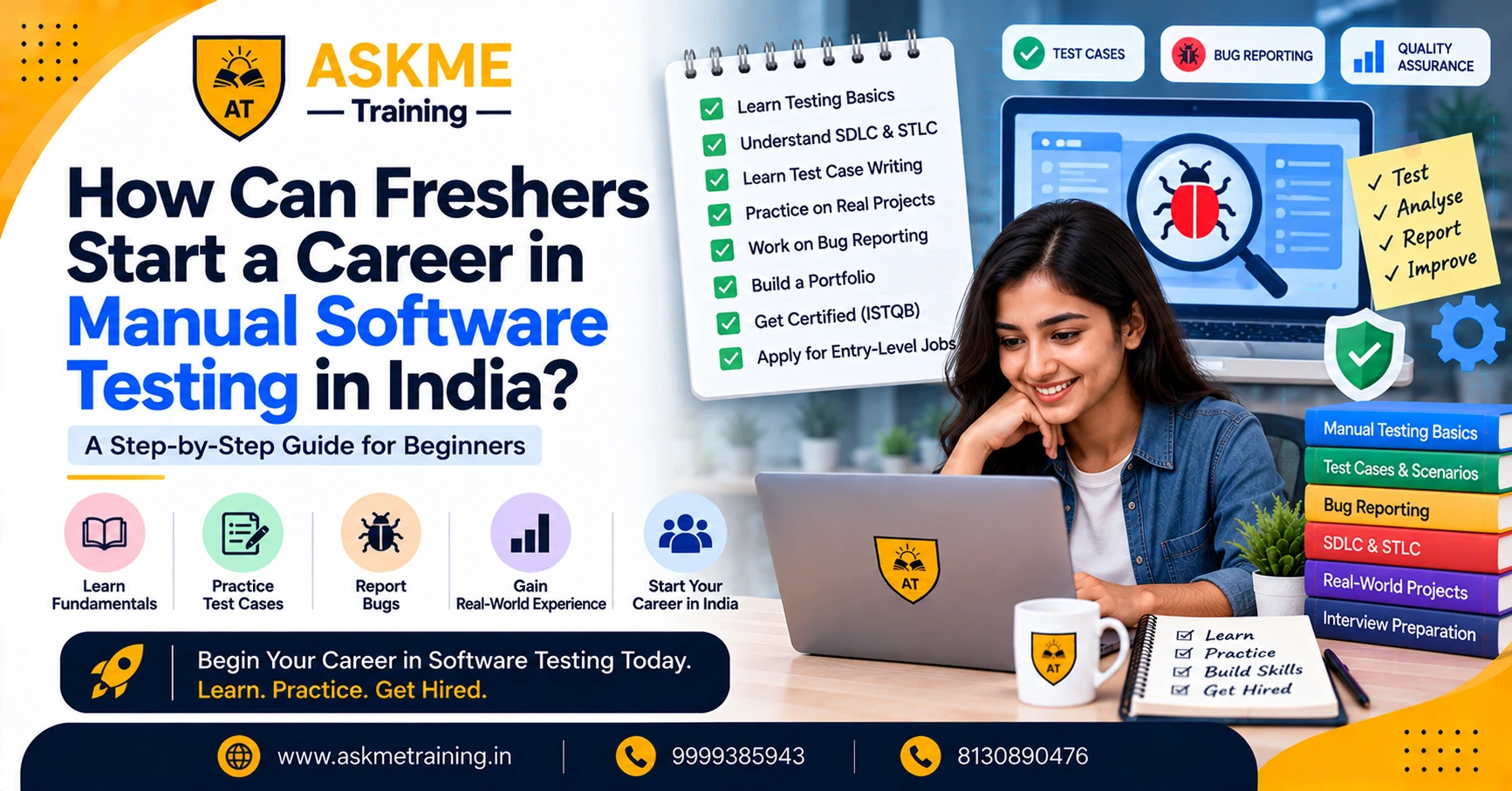
Follow these six steps to build a strong foundation.
1. Learn Software Testing Fundamentals
Understand the Software Development Life Cycle (SDLC), Software Testing Life Cycle (STLC), functional testing, regression testing, smoke testing, and the bug life cycle.
Focus on understanding concepts rather than memorising definitions. Practise explaining each concept with a real-world example.
2. Practise Writing Test Cases
A test case describes the steps used to verify a particular feature.
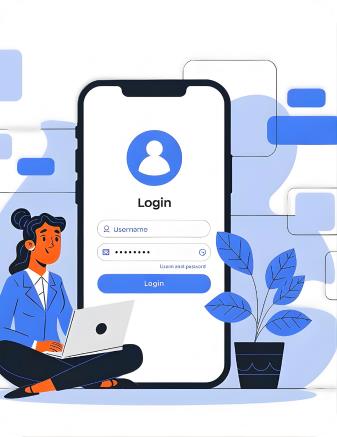
For a login page, create test cases for valid credentials, incorrect passwords, empty fields, and password visibility.
A basic test case includes:
• Test case ID and objective
• Preconditions and test steps
• Test data and expected result
• Actual result and pass/fail status
You can begin practising with Excel or Google Sheets.
3. Learn Bug Reporting
Testers must communicate defects clearly so developers can reproduce and investigate them.
A useful bug report contains a descriptive title, steps to reproduce, expected and actual results, severity, and screenshots when appropriate.
For example, if a checkout page accepts an invalid postal code, document the steps and explain the unexpected behaviour.
4. Practise With Real-World Projects
Choose a demo website or an application you are authorised to test. Practise checking:
• Registration and login
• Search and product filters
• Shopping cart calculations
• Form validation and error messages
• Checkout functionality
Create a small portfolio containing test cases, test scenarios, and sample bug reports. Practical examples can help demonstrate your skills during interviews.
5. Learn Essential Testing Tools
Alongside manual testing fundamentals, familiarise yourself with tools commonly used in QA teams:
• Jira: Track defects and testing tasks.
• Excel or Google Sheets: Document test cases and results.
• SQL basics: Understand and verify database information.
• Postman: Explore API testing as an additional skill.
Learn the fundamentals first and expand your toolkit as your skills develop.
6. Prepare for Interviews and Apply for Jobs
Prepare for common questions such as:
• What is the difference between severity and priority?
• What is regression testing?
• How would you test a login page?
• What details should a bug report contain?
Build a clear resume highlighting your projects, technical skills, and training. Apply for suitable internships, trainee positions, and entry-level QA vacancies.
Benefits of an Online Manual Testing Course in India
A structured manual testing course can help beginners learn systematically instead of relying entirely on scattered online tutorials.
Potential benefits include:
• Structured lessons covering essential testing concepts.
• Practical assignments to reinforce learning.
• Trainer guidance and feedback.
• Interview preparation and career guidance.
• Flexible learning options, depending on the course format.
Before enrolling, compare the curriculum, practical exercises, trainer experience, and career support offered by the institute.
What Career Opportunities Are Available After Manual Testing Training?
After developing relevant skills, freshers can explore positions such as:
• Junior QA Tester
• Manual Test Engineer
• Software Test Engineer
• QA Analyst Trainee
• Software Testing Intern
With additional experience and training, you may progress towards automation testing, API testing, mobile application testing, or other specialised QA roles.
Job requirements vary by employer, and a training certificate does not guarantee employment.
Common Mistakes Freshers Should Avoid
Avoid these mistakes when preparing for a testing career:
• Memorising theory without practical exercises.
• Assuming manual testing requires no technical knowledge.
• Ignoring communication and documentation skills.
• Applying for jobs without practising interview questions.
• Expecting a certificate alone to secure employment.
Expert tip: Practise testing an application every week. Explain what you tested, why you tested it, and what you discovered. This builds analytical thinking and interview confidence.
Frequently Asked Questions
1. Can freshers learn manual testing without coding?
Yes. Beginners can start without advanced coding skills, although basic SQL, API knowledge, and programming fundamentals can be useful later.
2. How long does it take to learn manual testing?
It depends on your background, study schedule, and practice. Allow time for lessons, assignments, projects, and interview preparation.
3. Is an online manual testing course in India suitable for beginners?
Yes. Look for a course that offers structured lessons, practical exercises, trainer guidance, and interview preparation.
4. Which tools should a fresher learn?
Start with spreadsheets and Jira. Basic SQL and Postman knowledge can further strengthen your skills.
5. Can manual testers move into automation testing?
Yes. After learning testing fundamentals, you can develop programming skills and explore tools such as Selenium or Playwright.
Start Your Manual Testing Journey With Askme Training Institute
Building a career in software testing begins with learning the right concepts and practising them consistently.
Askme Training Institute offers manual testing training for learners who want to develop software testing skills and prepare for QA opportunities.
Visit Askme Training Institute to explore available training options. Contact the institute to enquire about the course curriculum, batch schedules, practical learning, and demo sessions.
Take the first step towards your software testing career by building skills that you can demonstrate with confidence.
